If your AC runs but the house feels warm, it is usually not “just the thermostat.” This guide walks you through the most common cooling problems, what to check at home, and which signs point to AC repair in Plano, TX.
It starts as a familiar pattern: you set the thermostat lower, the indoor fan kicks on, and the outdoor unit hums for a while. Then the air coming out of the vents feels lukewarm, or the temperature barely changes even though the AC seems to be “working.”
In Plano, TX, that can turn uncomfortable quickly because humidity and summer heat can stress systems that are already running hard. This guide helps you identify the most common signs that your central air conditioning is not cooling properly, and what information to gather before you call for help with air conditioning repair.
- Quick answer
- What to check first
- Main things customers should understand
- Why this matters in Plano, TX
- Common mistakes to avoid
- Customer checklist
- Frequently asked questions
Quick Answer
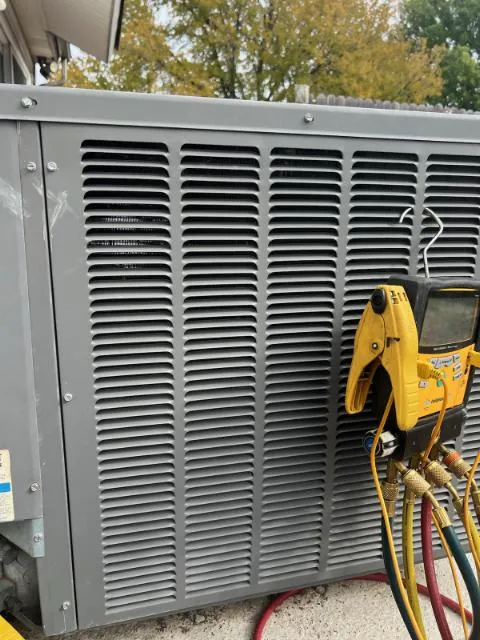
If your AC is running but not cooling, start with the thermostat settings, the air filter, and whether the outdoor unit is actually operating normally. If airflow is weak, the system may be restricted. If the air is cool at first and warms up later, the issue could involve airflow balance, a refrigerant-related problem, or electrical/control faults. For accurate air conditioning repair, a technician should inspect the refrigerant system, check for airflow restrictions, and verify electrical and control operation. Efficient Home Solutions Plano can help with AC service and central air conditioning repair when basic checks do not solve it.
What to Check First
Before you schedule AC repair, focus on the “easy to confirm” items that affect cooling performance. These checks can also help you describe the problem clearly when you call for air conditioning service near me.
1) Thermostat mode and temperature
Confirm the system is set to Cool (not Fan or Heat) and that the thermostat temperature is set below the current room temperature. If you have a programmable thermostat, check that it is not in a schedule you forgot about.
2) Air filter and return airflow
A dirty filter can reduce airflow so much that the AC cannot move heat out of the home. Check the filter’s condition and make sure the return vents are not blocked by furniture, rugs, or storage.
3) Outdoor unit behavior
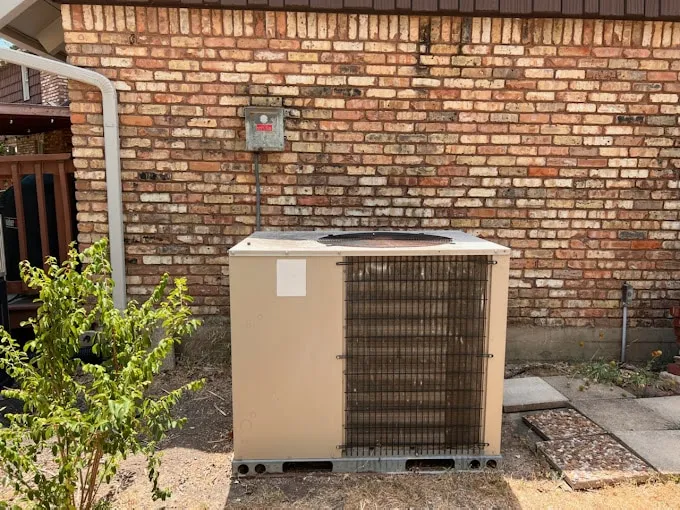
Go outside and listen. The outdoor unit should be running when the thermostat calls for cooling. If it never starts, starts then stops, or makes unusual clicking or buzzing sounds, that is a strong sign the issue is beyond basic homeowner checks.
If you notice the indoor blower runs but the air stays warm, try feeling the supply air at multiple vents. Uneven cooling can point to duct airflow issues, dirty coils, or problems with how the system is cycling. You can also check whether the condensate drain area looks unusually dry or if you see signs of water where it should not be.
Main Things Customers Should Understand
When AC is not cooling, homeowners often assume the unit is “broken” or “low on freon.” In reality, cooling performance can be affected by several connected systems: airflow, electrical/control operation, refrigerant circulation, and even how the home holds heat and moisture.
Professional observation: The most useful clue is the pattern. Does the AC run continuously but never get cold, or does it cool briefly and then stop? That behavior helps narrow down whether the issue is airflow restriction, a control problem, or a refrigeration-side concern.
Common AC repair signs (and what they often indicate)
| What you notice | What it may point to | Best next step |
|---|---|---|
| Air is warm or only slightly cool | Restricted airflow, dirty indoor coil, improper system operation, or a refrigerant-related issue | Check filter and returns, then schedule AC repair if performance does not improve |
| Indoor fan runs, but the outdoor unit does not | Electrical/control fault, thermostat issue, or outdoor unit operational problem | Have a technician test controls and electrical operation |
| Outdoor unit starts then stops quickly | Protection control tripping, airflow imbalance, or a component operating outside normal range | Call for air conditioning repair to diagnose cycling cause |
| AC cools at first, then warms up | Airflow restriction, coil performance issues, or system cycling due to temperature or pressure changes | Stop guessing and request diagnostic inspection |
| Weak airflow from vents | Clogged filter, blocked return, dirty blower components, or duct airflow limitations | Inspect filter/returns; consider checking duct and insulation factors |
Firsthand-style observation from the field
In homes around Plano, TX, a very common pattern I see is airflow that looks “on” but is actually underperforming. Homeowners will say the AC runs, and the thermostat display confirms cooling is called for. But once we check airflow through the system and inspect the indoor coil and filter condition, the cooling capacity often explains the warm air complaint. When airflow is insufficient, even a properly functioning compressor can struggle to remove heat from the home.
Why This Matters in Plano, TX
Plano’s hot, humid stretches can make “not cooling” feel worse because the system has to handle both temperature and moisture. If your home is older or has insulation and ventilation gaps, the AC may run longer to keep up, which can expose maintenance needs sooner. That is why cooling problems can show up as weak performance, uneven rooms, or frequent cycling even when the unit starts normally.
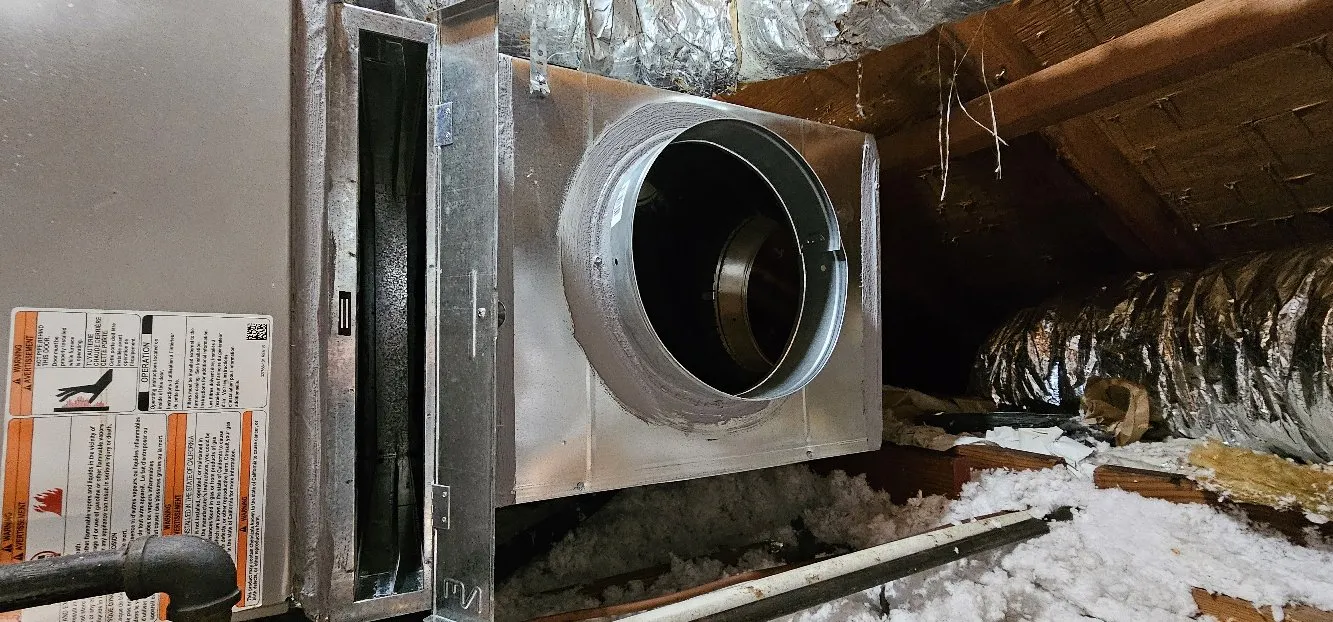
If you suspect your home is struggling to hold cool air, it can help to look beyond the thermostat. Attic heat gain is a big factor for many Plano homes, and addressing insulation and ventilation can reduce the workload on your HVAC system. If you are already dealing with AC repair, it is also a good time to consider related improvements like attic insulation or attic ventilation to support better comfort.
Practical recommendation: If the AC runs but cannot maintain comfort, ask your technician to evaluate both the cooling system and the airflow pathways. That includes indoor airflow, duct performance, and whether insulation and ventilation are contributing to heat gain.
Representative Scenario
Consider a Plano homeowner who reports that the air “feels cool for the first 10 to 15 minutes” and then becomes warm again. The thermostat is set correctly and the indoor fan runs. When the technician inspects the system, they find airflow restriction issues and verify that the unit is cycling based on conditions it cannot correct quickly. The repair focuses on restoring proper airflow and system operation, which brings back consistent cooling rather than brief relief followed by decline.
Need help diagnosing AC that will not cool?
Get AC service in Plano, TX
If you recognize the pattern of warm air, weak airflow, or short cycling, Efficient Home Solutions Plano can help with AC repair and air conditioning service. Call to schedule a diagnostic visit.
Call (972) 235-2600Common Mistakes to Avoid
Cooling problems can get worse when troubleshooting turns into guesswork. These are the mistakes that most often delay a real fix or create new issues.
- Replacing the thermostat battery and assuming the problem is solved, even when the outdoor unit behavior suggests a deeper issue.
- Running the system with a severely dirty filter, which can restrict airflow and increase stress on components.
- Ignoring uneven cooling or blocked returns and trying to compensate by lowering the thermostat further.
- Continuing to run the AC when you notice repeated short cycling or unusual sounds, which can indicate an underlying control or operational fault.
- Overlooking moisture and comfort symptoms, especially during humid Plano weather, where cooling and dehumidification are closely linked.
Customer Checklist
Use this checklist before your call. It helps you give clear details and can speed up the diagnostic process for AC repair.
- Confirm thermostat mode is set to Cool and the target temperature is below the room temperature.
- Check the air filter and note whether it is clogged, old, or the wrong size.
- Observe whether the outdoor unit starts when cooling is called for.
- Note the cooling pattern: does it run continuously, cool briefly, or cycle on and off?
- Identify any airflow issues: weak vents, blocked returns, or rooms that never feel comfortable.
- Look for moisture concerns: unusual water spots, a consistently dry drain area, or visible condensation where it should not be.
Frequently Asked Questions
Why is my AC running but the house is still warm?
Warm air even while the system runs usually points to a cooling capacity problem, such as restricted airflow, a dirty indoor coil, improper control operation, or a refrigerant-side concern. Start with thermostat settings and check the air filter and returns for blockage. If those basic items do not restore cooling, the next step is a diagnostic inspection so the technician can verify airflow and system operation under real load.
How can I tell if my issue is airflow versus an electrical or control problem?
Airflow issues often show up as weak vent output, uneven cooling, or performance that improves after changing a filter. Control or electrical problems more commonly show up as the outdoor unit failing to start, starting then stopping quickly, or inconsistent cycling. Observing whether the outdoor unit runs when the thermostat calls for cooling is one of the most helpful clues you can provide.
What should I check outside before calling for AC repair?
Listen for whether the outdoor unit actually runs when cooling is set to ON via the thermostat. You can also look for obvious obstructions around the unit, such as blocked airflow or debris. If the unit never starts, starts and stops rapidly, or makes unusual noises, do not keep cycling the thermostat repeatedly. Those patterns are better handled by professional HVAC diagnostics.
Can insulation or ventilation affect whether my AC cools properly?
Yes. If your attic or ventilation system allows excessive heat gain, your AC may run longer to maintain comfort, and that can make cooling problems more noticeable. Improving home ventilation and insulation can reduce the workload on your HVAC system. If you suspect heat gain is part of the issue, you can review options like attic insulation and attic ventilation while you address the AC performance.
Should I schedule AC maintenance service even if my system is still cooling a little?
If your AC is cooling but not as expected, maintenance can still help. AC maintenance service can address common performance limiters like airflow restrictions and dirty components before they lead to complete failure. If your system is not cooling consistently or is cycling abnormally, focus on air conditioning repair and diagnostic inspection first, then consider ongoing AC maintenance to help keep the system stable through the cooling season.
When warm air keeps winning, it is time for professional AC service
If your central air conditioning is not cooling as it should, the fastest path is getting the system checked for the actual cause, not just the symptom. Efficient Home Solutions Plano serves Plano, TX and surrounding areas, and can help with air conditioning repair, AC service, and troubleshooting that connects airflow, controls, and cooling performance.
Contact Efficient Home Solutions Plano
For air conditioning service near me in Plano, TX, call and we will help you sort out the next best step for your HVAC system.
Call (972) 235-2600Efficient Home Solutions Plano
Efficient Home Solutions Plano provides HVAC services for homeowners and businesses in Plano, TX and surrounding areas. Our work includes AC repair and broader HVAC support, including indoor air quality solutions and comfort-focused services tied to the home’s heating and cooling performance. If your system is not cooling properly, we focus on diagnosing the root cause so you get reliable, practical next steps.