If your air conditioning runs longer than it used to, the attic is often the missing piece. Efficient Home Solutions Plano helps homeowners in Plano, TX, and nearby areas improve attic insulation and ventilation so your cooling system does less work and your home feels more consistent.
Last summer in Plano, a homeowner called because their central air was struggling to keep the upstairs comfortable. The thermostat looked fine, the system cycled, and yet rooms under the roofline stayed warmer, especially in the late afternoon.
After checking airflow and basic HVAC performance, the bigger clue was how the attic “felt” during the same stretch of heat. When heat is getting into the living space through the roof assembly, you can end up paying twice: once for the cooling to remove heat, and again through higher run time.
This guide breaks down how to choose attic insulation near me in a way that’s practical for your home. You’ll learn what to inspect first, which insulation and ventilation choices matter most, and what questions to ask so you don’t waste time or materials.
- Quick answer
- What to check first
- Main things customers should understand
- Why this matters in Plano, TX
- Common mistakes to avoid
- Customer checklist
- Frequently asked questions

Quick Answer
If your energy bills feel high or your upstairs is consistently warmer or cooler, attic insulation and ventilation are often the first places to address. Start by checking insulation depth and coverage, then look for air leaks around the attic floor, penetrations, and the attic access. From there, the best next step is a home energy assessment that can confirm where heat is entering and whether ventilation is balanced. Efficient Home Solutions Plano can help you review attic insulation options and ventilation so your HVAC system is supported, not forced to compensate.
What to Check First
Before you buy insulation or schedule work, focus on the items that most commonly reduce performance in Plano attics. Even excellent insulation can underperform if air leakage and ventilation issues are left alone. The goal is to stop unwanted heat transfer while keeping moisture under control.
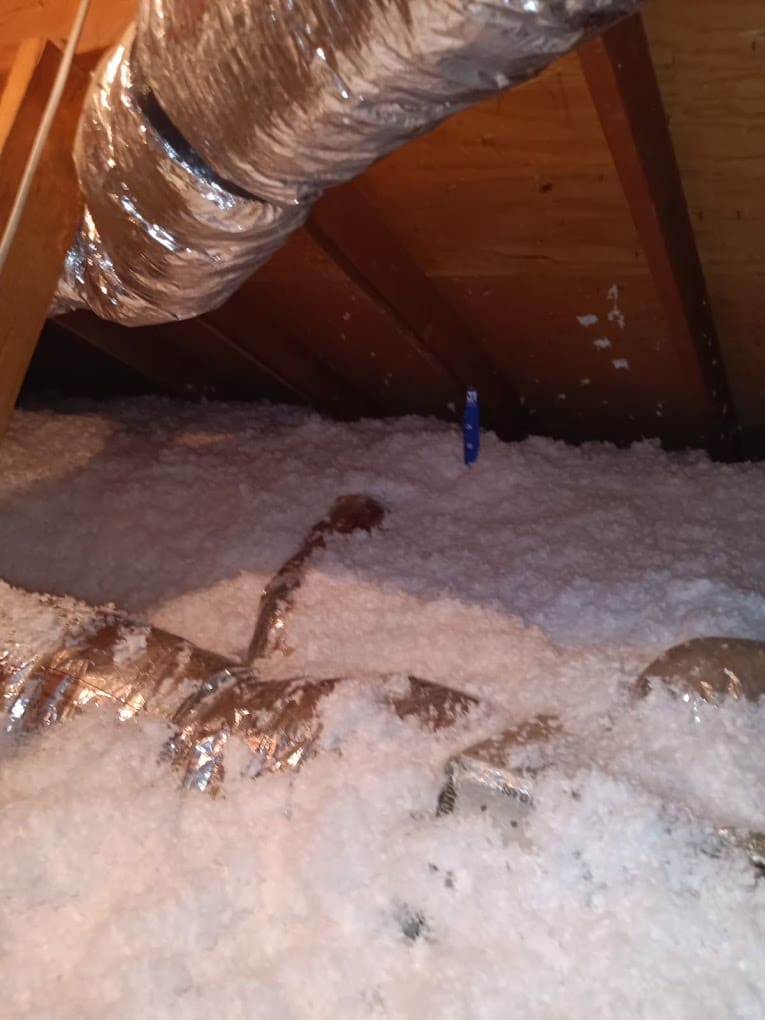
Insulation depth and coverage
Low R-value, thin spots, or uncovered areas around edges and penetrations are frequent culprits. Confirm whether the attic has uniform coverage, not just a “mostly insulated” look.
Attic air leaks
Look for gaps around plumbing stacks, electrical wiring runs, duct boots, and the attic hatch. Air leaks can move conditioned air into the attic and pull heat into your living spaces.
Ventilation balance
Insulation and ventilation work as a system. If your attic ventilation is blocked, mismatched, or improperly routed, you can end up with heat buildup or moisture problems.
Main Things Customers Should Understand
When you search for attic insulation near me, it’s tempting to focus on the insulation type alone. In practice, insulation installation quality, air sealing, and ventilation design often determine whether you see a real difference. Here’s what homeowners typically need to understand before making a decision.
Professional observation: Insulation performs best when the attic floor is treated like an air boundary. If the attic has frequent air leaks, the “R-value” on paper won’t match real-world performance.
1) Insulation type: blown-in vs. spray foam
Common residential approaches include blown-in insulation and spray foam insulation. Blown-in insulation can fill irregular cavities and is often used to increase coverage where access allows. Spray foam insulation may be considered when air sealing and surface coverage are key priorities. The right choice depends on your attic layout, existing materials, and whether the primary problem is heat transfer, airflow, or both.
2) Attic ventilation: intake and exhaust should match
Attic ventilation should move hot air out while allowing cooler air to enter through the right pathways. If intake is blocked or exhaust is undersized, heat can build up even with upgraded insulation. If you’re troubleshooting hot rooms or uneven temperatures, ventilation checks are worth doing alongside insulation.
3) Attic access and covers are part of the system
The attic hatch is one of the most overlooked locations for energy loss. If the attic access tent or cover is missing, unsealed, or not insulated effectively, the rest of the attic work can be undermined. Addressing the attic opening and ensuring it supports the insulation plan can matter more than most homeowners expect.
Decision table: insulation + ventilation considerations
| Situation you notice | What to prioritize | Why it matters for energy bills |
|---|---|---|
| Upstairs is consistently warmer | Attic insulation coverage and attic floor air sealing | Reduces heat flow into living spaces so your air conditioning doesn’t run as long. |
| Attic feels hot and ventilation seems blocked | Attic ventilation improvements | Helps prevent heat buildup that can overwhelm insulation gains. |
| Drafts near ceilings or penetrations | Sealing penetrations and duct-related leakage points | Stops conditioned air from escaping and reduces heat transfer pathways. |
| Attic access hatch is uninsulated or leaky | Insulated attic access cover or attic access tent solution | Prevents air leakage at the access point that can bypass the rest of the insulation. |
Why This Matters in Plano, TX
Plano’s hot season can put real stress on attic heat transfer. Attics heat up quickly, and when that heat migrates downward, it increases the cooling load right when you need air conditioning most. Homes in Plano often have a mix of building ages, and older attics may have uneven insulation depth or ventilation setups that don’t handle today’s comfort expectations.
If you’re also seeing comfort problems like humidity swings or inconsistent air quality upstairs, the attic upgrade can be part of a bigger comfort strategy. For example, if ducts or air pathways are affected, improvements to insulation and ventilation can support overall HVAC performance. If you’re trying to connect the dots between comfort and system performance, you may also want to review home energy audit services before choosing insulation work.
Get clarity on what your attic needs
If you’re searching for attic insulation near me and want a plan that matches your home, start with a focused assessment of insulation coverage, air leakage, and ventilation. Efficient Home Solutions Plano can help you prioritize the steps that are most likely to reduce heat gain and support lower energy bills in Plano, TX.
Contact Efficient Home Solutions PlanoCommon Mistakes to Avoid
It’s easy to make a decision based on what seems simple, like adding more insulation. The problem is that attic performance is affected by the full roof assembly, air leakage, and ventilation. Here are the mistakes that most often keep homeowners from seeing the results they expect.
Common mistake: “More insulation fixes everything.”
Adding insulation without addressing air leaks can limit the benefit. If conditioned air is leaking into the attic, you can still end up with heat and comfort issues even after insulation is increased.
Common mistake: Ignoring attic ventilation.
Insulation and ventilation should be designed together. If ventilation is blocked or poorly balanced, heat can accumulate and reduce the effectiveness of your insulation investment.
Common mistake: Overlooking the attic access opening.
A leaky attic hatch, unsealed edges, or an insulation plan that doesn’t cover the access area can create a weak point. That weak point can keep your upstairs uncomfortable and your HVAC running longer.
Customer Checklist
Use this checklist when you’re comparing attic insulation options or talking with an insulation contractor. It helps you stay focused on the details that impact comfort and energy use.
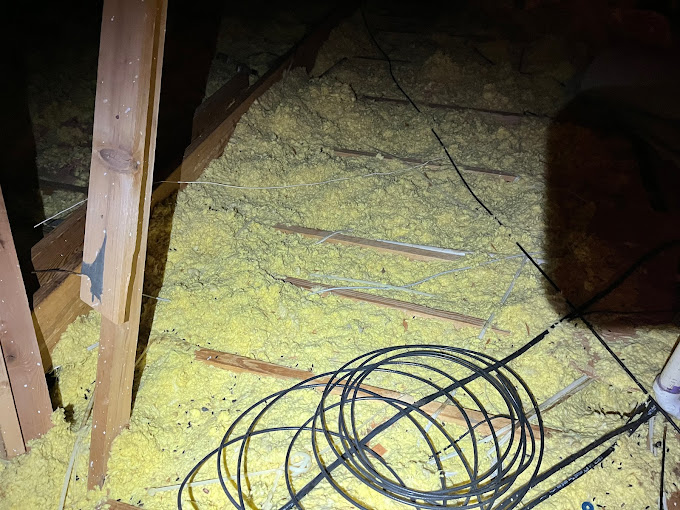
- Confirm existing insulation depth and whether coverage is uniform across the attic floor.
- Check for air leakage paths around penetrations, duct openings, and the attic hatch.
- Ask whether attic ventilation intake and exhaust are balanced for your roof setup.
- Discuss which insulation approach fits your attic conditions, including options like blown-in insulation or spray foam insulation.
- Address the attic access point with an appropriate insulated attic access cover or attic access tent solution.
- Request a plan that coordinates insulation, air sealing, and ventilation rather than treating them separately.
- Follow up by reviewing related comfort factors, such as indoor air quality needs, if you’re seeing humidity or air quality concerns.
Representative Scenario
A Plano homeowner noticed that rooms beneath the roofline stayed warmer in the afternoon, even when the downstairs felt comfortable. The HVAC system ran more frequently during peak heat, but the thermostat settings didn’t explain the upstairs temperature swing. After reviewing the attic, the focus shifted to insulation coverage gaps and air leakage at the attic floor, along with ventilation pathways that weren’t supporting steady heat release. The team recommended a coordinated approach: improve insulation, seal the major leakage points, and confirm attic ventilation routing so the attic no longer acts like a heat reservoir.
Frequently Asked Questions
If you’re looking for attic insulation near me, these are the questions we hear most often from homeowners in Plano, TX and nearby areas.
How do I know if my attic insulation is the real problem?
Start with patterns. If upstairs rooms are consistently warmer during hot afternoons, or if you feel drafts near ceilings and penetrations, the attic floor is a likely pathway for heat transfer. A practical next step is to verify insulation depth and coverage, then look for air leaks around the attic access and duct-related openings. For a clearer picture, an energy assessment can help confirm which areas are contributing most to heat gain so you’re not guessing.
Should I upgrade insulation before checking ventilation?
Insulation and ventilation should be considered together. Upgrading insulation without ensuring proper ventilation can limit how much heat the attic can shed and may create conditions that are harder to manage. A balanced approach is to check ventilation intake and exhaust pathways first, then coordinate the insulation plan around those results. This is especially relevant when attics have older ventilation setups or when intake routes appear blocked.
What about attic access and covers?
The attic hatch is a common energy weak point because it can leak air even when the rest of the attic floor is insulated. If the access area is unsealed, poorly insulated, or lets conditioned air escape, it can undermine improvements elsewhere. Depending on your attic setup, solutions may include an insulated attic access cover or an attic access tent approach to help reduce leakage and support overall insulation performance.
Is insulation work related to indoor air quality?
It can be. When an attic upgrade reduces uncontrolled airflow and improves how the home envelope behaves, it may change how air moves through the house. That can indirectly affect comfort issues tied to humidity and air quality. If you’re also noticing stale air, excess humidity, or other comfort concerns, it can help to pair insulation and ventilation improvements with an indoor air quality plan, such as indoor air quality solutions, so the whole system supports healthier, more comfortable living.
Can HVAC repairs be part of the same comfort problem?
Yes. Insulation and ventilation reduce the load on your system, but the HVAC equipment still needs to perform correctly. If your central air or furnace isn’t operating as intended, you can still experience uneven temperatures even with improved insulation. If you’re dealing with cooling performance issues, you may want to review AC repair as part of a complete comfort approach.
Ready for a better attic plan in Plano?
If your energy bills are higher than you’d expect or your upstairs comfort feels inconsistent, the attic is a strong place to start. Efficient Home Solutions Plano helps homeowners in Plano, TX and nearby areas build an insulation and ventilation approach that supports everyday comfort.
Contact Efficient Home Solutions Plano
About Efficient Home Solutions Plano
Efficient Home Solutions Plano provides HVAC services and home energy-focused improvements for customers in Plano, TX and surrounding areas. From attic insulation and attic ventilation to related indoor comfort considerations, the goal is the same: help your home run more efficiently so your heating and cooling equipment can do what it’s built to do.
If you’re also considering attic ventilation options, you can review attic ventilation for additional context.