Urgent Air Conditioning Repair for Strange Noises Tonight
If your Plano, TX AC starts making new rattling, buzzing, grinding, or banging sounds, you want clarity fast. This guide helps you identify the most likely causes, what you can safely check right now, and when to call Efficient Home Solutions Plano for air conditioning repair.
It is 9:00 PM in Plano and the home finally cools down, then you hear it. A new rattling noise from the outdoor unit, a buzzing from the air handler, or a sharp banging that seems to happen every time the compressor kicks on.
You might be tempted to ignore it until morning, but strange AC noises can point to loose components, failing motors, airflow problems, or electrical issues. Below, you will learn how to narrow down what you are hearing, what to check safely, and what questions to ask so the repair goes smoother.
- Quick answer
- What to check first
- Main things customers should understand
- Why this matters in Plano, TX
- Common mistakes to avoid
- Customer checklist
- Frequently asked questions
Quick Answer
If your AC is making loud or new grinding, banging, or repeated thumping sounds, stop running it and check the outdoor unit for obvious damage or loose debris. If the noise continues, the system will likely need professional air conditioning repair to prevent bigger damage. For safer troubleshooting, turn the thermostat to OFF, inspect the thermostat fan setting, and listen for whether the sound is coming from the outdoor condenser or the indoor air handler. Then contact Efficient Home Solutions Plano so a technician can diagnose the cause and recommend the right AC repair steps for your system in Plano.
What to Check First
Start with observations you can do safely without opening panels or touching electrical components. The goal is to tell your technician where the noise originates, how it behaves, and whether the system is still cooling.
1) Locate the source
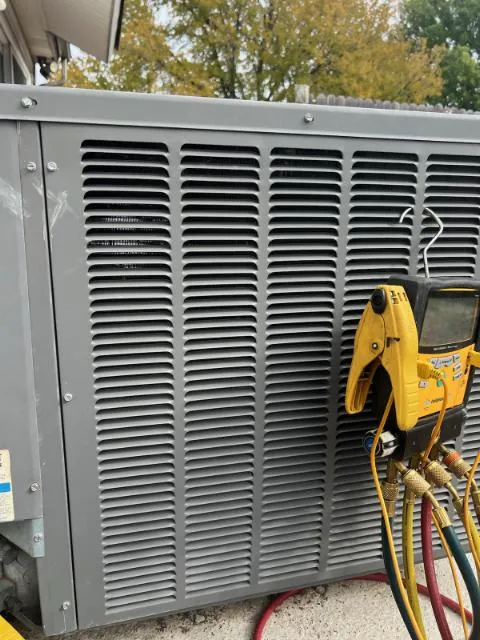
Is the sound coming from the outdoor condenser unit, the indoor air handler, or both? Many homeowners can narrow it down just by standing near each unit while the AC cycles.
2) Note the pattern
Does it start only when the compressor turns on, only when the fan runs, or only after the system has been running for a few minutes?
3) Check the thermostat settings
Confirm the thermostat is set to cool, and verify whether the fan is set to Auto or On. A fan-only run can create noises that look like compressor problems.
Professional observation: If the noise is accompanied by sparks, a burning smell, tripped breakers, or the unit shuts off repeatedly, the safest move is to power down and wait for a technician. That protects both the system and the home.
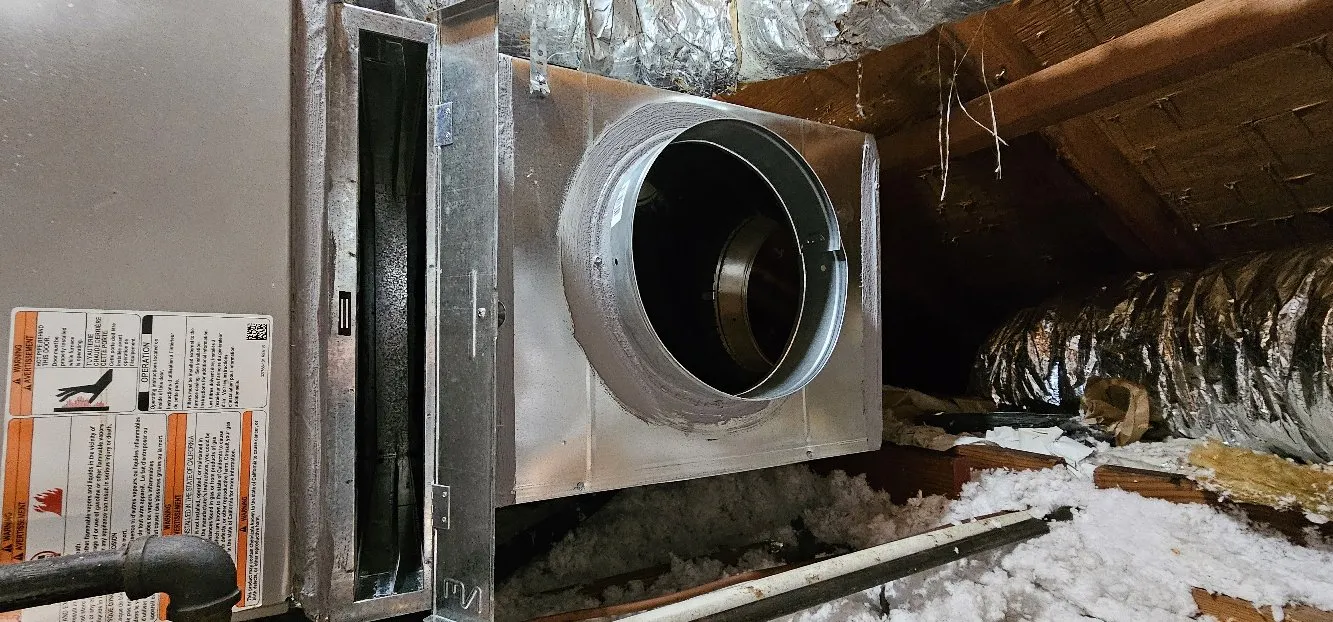
Next, do a quick visual check outside: look for loose panels, clanking debris, or airflow restrictions around the outdoor unit. Do not remove covers or reach into the unit. If you see pooled water, ice, or obvious impact damage, those details help narrow down the cause.
Main Things Customers Should Understand
Strange AC noises are rarely random. Each sound type often points to a specific component or condition. Use this guide to interpret what you are hearing and decide whether it is safe to keep the system off until repairs are scheduled.
| Noise you notice | Where it often comes from | Common cause category | What to do tonight |
|---|---|---|---|
| Rattling or loose clanking | Outdoor condenser or fan area | Loose hardware, debris, or a panel not seated | Power down and inspect for visible debris or looseness around the exterior. |
| Buzzing or humming that seems “off” | Indoor air handler or contactor area | Electrical contact issues or a failing component | Do not keep cycling the system. Note when it starts and call Efficient Home Solutions Plano. |
| Grinding or scraping | Fan motor or rotating parts | Motor wear or mechanical interference | Turn the system off. Continuing operation can worsen motor damage. |
| Banging or thumping during start-up | Compressor start or duct/airflow turbulence | Compressor-related issue or duct vibration | Stop running it if the noise repeats. A technician can check airflow, mounting, and system operation. |
| Hissing or airflow noises | Indoor or outdoor air paths | Airflow restriction or abnormal refrigerant-related symptoms | Do not troubleshoot further. Schedule AC repair to diagnose safely. |
Why This Matters in Plano, TX
In Plano, AC systems run hard during hot stretches, and that extra runtime can expose small problems sooner. If your home has older ductwork, insulation gaps, or attic airflow issues, the system may work longer than it should, increasing strain on fans and motors. Addressing airflow and insulation can help reduce repeated cycling, which is when noise problems often become noticeable.
If you suspect the airflow inside your home is weak or uneven, consider learning about attic insulation and ventilation options that support better whole-home cooling comfort. You can explore attic insulation solutions and attic ventilation services to understand how insulation and ventilation can affect AC performance.
Practical recommendation: While you wait for repairs, keep doors and return vents unobstructed and set the thermostat so the system does not keep cycling. That reduces additional wear while you arrange AC repair.
Common Mistakes to Avoid
Homeowners often try well-meaning steps that can make the situation worse. Here are the mistakes that most commonly turn a manageable repair into a bigger one.
- Continuing to run the AC after grinding or banging starts. Mechanical issues can worsen quickly.
- Ignoring the sound source and only describing “it is loud.” Knowing whether it is outdoor vs. indoor helps technicians diagnose faster.
- Relying on fan-only operation to “test it.” Fan settings can change noise patterns and mask the real problem.
- Opening panels or attempting electrical checks. AC systems involve components that can be hazardous and require proper tools.
- Resetting the thermostat repeatedly to force the unit on and off. Repeated cycling can increase stress on electrical components.
- Overlooking indoor air quality symptoms like persistent humidity or odors. Those can point to a broader issue such as airflow balance or air filtration concerns.
If you notice symptoms beyond noise, such as humidity problems or unusual air quality, it is worth discussing that with your technician. Efficient Home Solutions Plano can also help with indoor air quality services when comfort issues persist.
Customer Checklist
Use this checklist to prepare for repair calls and to keep your home comfortable while you wait. It is designed for tonight, not for a “someday” inspection.
- Turn the thermostat to OFF if the noise is loud, grinding, or repeating rapidly.
- Record what you hear: rattling, buzzing, grinding, hissing, or banging.
- Record when it happens: at start-up, during cooling, or only when the fan runs.
- Check the outdoor unit area for visible debris, loose panels, or impact damage.
- Verify thermostat fan setting (Auto vs. On) and confirm the system mode is set correctly.
- Note whether the system cools normally when it is running quietly.
- Clear airflow obstructions near supply/return vents so the system does not struggle.
- Prepare a quick description for the technician, including the time it started and whether it is indoor or outdoor.
Representative scenario
Here is a realistic example from a Plano-area home. A homeowner noticed a rattling sound only when the AC kicked on after being off for a few hours. The outdoor unit had no visible impact damage, but the noise grew louder as the compressor ran, and it stopped once the system shut off. After turning the thermostat OFF, the homeowner avoided repeated resets and noted the timing. When Efficient Home Solutions Plano arrived, the technician focused on the outdoor fan area and the start-up behavior to identify the component causing the vibration, instead of guessing based on sound alone.
Frequently Asked Questions
Is it safe to run my AC if it is making a new noise?
If the noise is mild and intermittent, it might be safe to keep the system off and observe rather than repeatedly cycling it. However, if you hear grinding, banging, or the sound is getting worse, turn the system off. Continuing operation can damage motors, fans, or electrical components. For homeowners in Plano, hot weather makes it tempting to “just keep it running,” but the best approach is to power down and schedule AC repair so the cause is diagnosed safely.
How can I tell whether the problem is the indoor unit or the outdoor unit?
Stand at the indoor air handler while the AC runs and listen carefully for buzzing or rattling. Then step outside and listen near the outdoor condenser when the thermostat calls for cooling. If the noise starts exactly when the compressor starts, it often points to the outdoor unit. If you hear it mainly when indoor airflow runs, it may be related to the indoor blower or controls. Even without opening anything, noting indoor vs. outdoor origin helps your technician narrow the diagnosis quickly.
Could airflow issues cause AC noises?
Yes. Restrictive airflow can increase strain on moving parts and can also create unusual sounds, especially if air is bouncing through ducts or if the system cycles more frequently than it should. That is why checking for blocked vents and confirming thermostat fan settings can be useful. If the noise is paired with uneven cooling, hot rooms, or frequent cycling, it may be connected to insulation and ventilation conditions in the home. Efficient Home Solutions Plano can help evaluate comfort factors alongside the AC repair.
What should I tell the technician when I call?
Share the exact type of noise (rattle, buzz, grinding, hissing, or banging), when it happens (start-up vs. during cooling vs. fan-only), and whether the system still cools. Also mention what you checked: thermostat setting, whether the noise is indoor or outdoor, and any visible debris around the outdoor unit. This “behavior” information often speeds up diagnosis because it points to specific components and operating modes.
My AC is noisy but still cooling. Should I still get it checked?
Often, yes. When a system is making new noises, it can be signaling early wear. Even if it cools today, the underlying issue can worsen and lead to a larger repair later. A quick diagnostic can identify whether the noise is tied to loose hardware, airflow disturbances, or a failing component. If comfort issues are also present, addressing related factors such as indoor air quality can improve overall performance.
Get AC repair guidance for the sound you are hearing
If your air conditioning repair problem started tonight and the noise is new, call Efficient Home Solutions Plano so a technician can diagnose the likely cause based on what you observed.
(972) 235-2600Schedule the next step with Efficient Home Solutions Plano
When you need air conditioning service in Plano, TX, you want a practical diagnosis and clear next steps. Contact Efficient Home Solutions Plano to discuss AC repair for your system and comfort concerns.
Review AC repair service
Efficient Home Solutions Plano
Efficient Home Solutions Plano provides HVAC services for homeowners and businesses across Plano, TX and surrounding areas. Whether you need air conditioning repair, AC maintenance service guidance, or related comfort support, the team focuses on practical diagnostics and solutions that fit how your system is operating in real homes.
For additional HVAC expertise, you can also explore commercial HVAC repair and heating and furnace repair when heating issues overlap with AC concerns.