If your Plano home feels uneven, runs your air conditioning longer than it should, or your utility bills keep climbing, your attic often has answers. This guide explains what to check, what insulation to consider, and how attic ventilation and air sealing work together for better comfort.
Last summer in Plano, a homeowner told us their central air conditioning seemed to “work,” but the upstairs rooms stayed noticeably warmer. The thermostat read a comfortable number, yet the home never felt evenly cooled.
After checking airflow and duct conditions, the next suspect was the attic. In many Texas homes, attic insulation and attic ventilation determine how much heat loads the system has to fight. This guide will help you understand how to choose insulation installation methods, what to inspect before you spend money, and how to avoid the common pitfalls that can make energy problems worse.
- Quick answer
- What to check first
- Main things customers should understand
- Why this matters in Plano, TX
- Common mistakes to avoid
- Customer checklist
- Frequently asked questions
Quick Answer
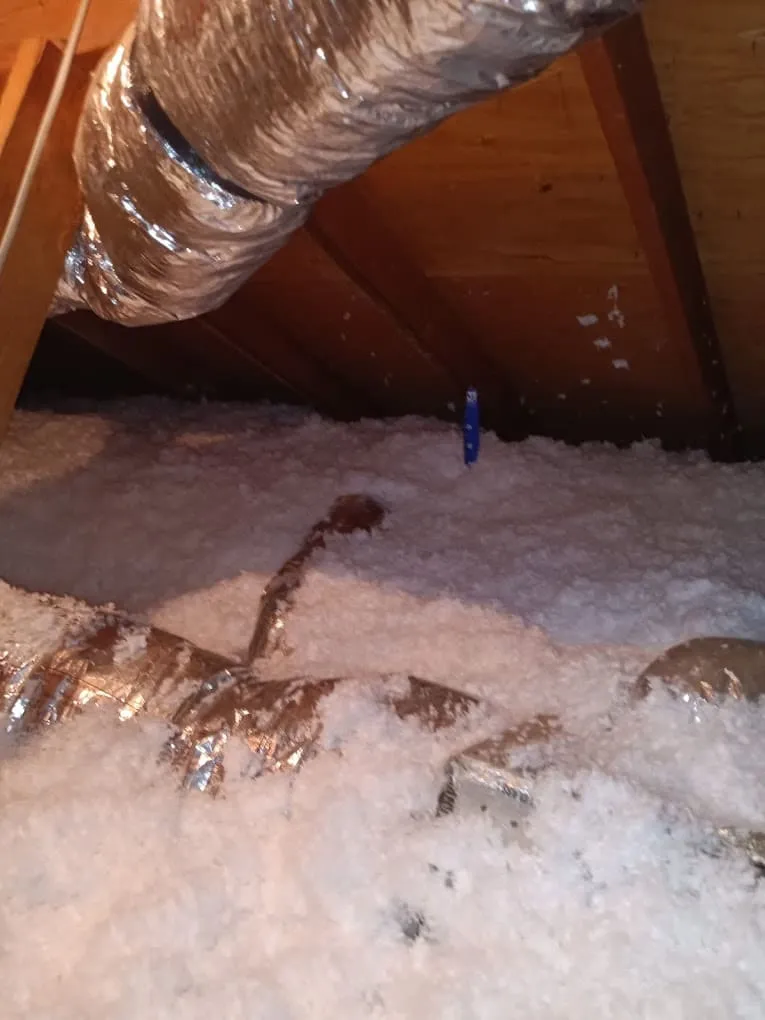
If you’re searching for attic insulation near me because your energy bills feel high or rooms feel uneven, start by checking insulation coverage and attic ventilation, not just the thickness. A proper insulation contractor will look for air leaks at the top of walls and around penetrations, then match the insulation type (like blown-in insulation or spray foam insulation) to your attic layout. In most Plano homes, combining air sealing with the right insulation and ventilation strategy delivers the most noticeable comfort improvement. If you want a clear plan, schedule an energy audit and then review attic insulation and attic ventilation options together.
What to Check First
Before you choose insulation companies near me or decide on insulation installation, focus on the items that directly affect heat transfer and moisture movement in your attic. If you skip these checks, you can end up with insulation that looks “better” on paper but still doesn’t deliver lower energy bills.
1) Insulation coverage
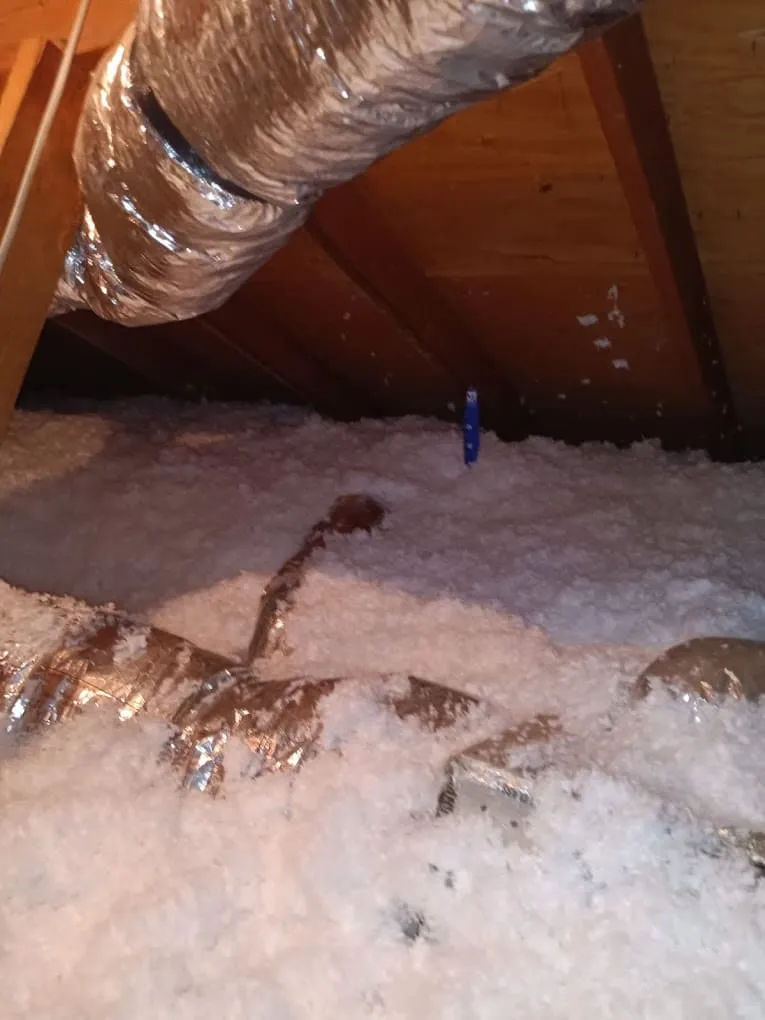
Look for thin spots, gaps over ceiling joists, and areas where insulation has settled. Even when the attic has some insulation, uneven coverage can create hot rooms above those sections.
2) Air leaks at the attic floor
Common leak points include top plates, plumbing penetrations, electrical wiring pathways, recessed light locations, and attic hatch areas. Air sealing often matters as much as insulation depth.
3) Attic ventilation basics
Attic ventilation and home ventilation work together. If ventilation is blocked or unbalanced, adding insulation can change how heat and moisture behave in the attic space.
Professional observation: In many Plano attics, the biggest comfort improvements come from addressing attic access and air leakage before adding more insulation. Attic stair cover and attic insulation tent solutions can also help reduce drafts.
Main Things Customers Should Understand
“More insulation” is not always the same as “better performance.” The right insulation contractor considers how your attic is built, how air is moving, and how ventilation systems will operate after installation. Here are the main factors that drive results for energy efficiency audit goals.
| Decision point | What it affects | What to ask your installer |
|---|---|---|
| Insulation type (blown-in vs. spray foam) | How well the attic resists heat flow and how it interacts with air sealing | Which option best matches your attic layout and where air sealing should be prioritized? |
| Air sealing first | Drafts and leakage that can undermine insulation performance | What penetrations will be sealed, and how will attic access be handled? |
| Attic ventilation (intake and exhaust balance) | Moisture control and temperature stability in the attic | How will ventilation systems be verified or upgraded alongside insulation installation? |
| Whole-house airflow | Whether the AC service and ductwork can move conditioned air efficiently | How will you coordinate insulation work with HVAC system installation or HVAC replacement needs if ducts are contributing to uneven comfort? |
| Attic access details (hatch/cover/tent) | Where drafts often bypass insulation | Will you use an attic access tent or insulated attic access cover approach to reduce leakage? |
Practical recommendation: If you want lower energy bills, ask for a plan that connects home insulation, insulation installation, and home ventilation. A good process is: evaluate the attic, address air leaks, verify ventilation, then install insulation with the correct approach for the space.
Why This Matters in Plano, TX
In Plano, TX, summer heat can build fast in an attic that is not properly insulated or ventilated. When the attic floor leaks air, cool indoor air escapes upward and warm attic air leaks back into living spaces. That increases cooling demand and makes central air conditioning feel like it runs longer than expected.
We often see older homes and remodeled spaces where attic insulation was added in the past but penetrations, attic access points, or ventilation pathways were never fully addressed. That is why energy audit services that include a home energy assessment can be especially useful. You get a clearer picture of where insulation installation will have the most impact and where ventilation installation services should be adjusted.
Common Mistakes to Avoid
Some attic insulation near me searches end with the wrong scope of work. Here are the most common issues we see when homeowners focus only on insulation depth instead of whole-attic performance.
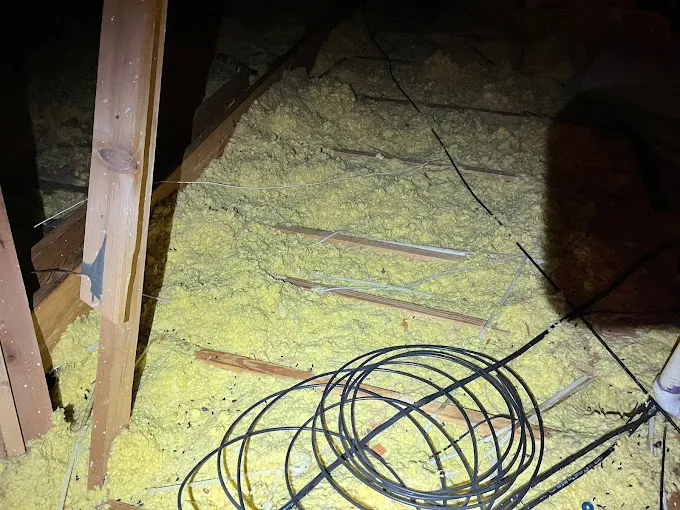
- Adding insulation without checking air sealing: If the attic floor is leaking, insulation alone cannot fully stop heat transfer.
- Ignoring attic ventilation: Improper ventilation can cause temperature swings and moisture problems that reduce comfort.
- Overlooking attic access: Drafts from the attic hatch area can keep upstairs rooms warm even after insulation installation.
- Blocking ventilation pathways: Some insulation types or installation methods can interfere with exhaust fan installation or intake vents if not done correctly.
- Assuming HVAC repair fixes insulation issues: AC repair may help comfort, but if the attic is driving heat gain, the system will still work harder than it should.
Customer Checklist
Use this checklist before you hire an insulation contractor for attic insulation. It keeps the conversation practical and helps you compare bids based on scope, not just insulation installation cost.
- Confirm the attic access approach (for example: attic access tent or insulated attic access cover) and ask how drafts will be reduced.
- Ask how air sealing will be handled around penetrations (plumbing, wiring, recessed areas) before adding insulation.
- Request a ventilation review: intake and exhaust balance, and whether attic ventilation needs changes.
- Clarify insulation type and where it will be installed (blown-in insulation vs. spray foam insulation, and any targeted areas).
- Make sure the plan accounts for whole house ventilation needs if you have humidity control services concerns.
- Ask how results will be evaluated after installation, using an energy audit or home energy assessment approach.
Representative scenario: A Plano homeowner noticed that bedrooms over the garage stayed warm during peak afternoons. The attic had insulation, but the attic hatch area and several penetrations were drafty, and ventilation pathways were not clearly balanced. After air sealing at the attic floor and an attic ventilation review, the insulation installation focused on filling coverage gaps and improving the attic’s overall heat control. Comfort improved because the HVAC system was no longer fighting the attic’s heat load as aggressively.
Get a clearer attic insulation plan for your Plano home
Efficient Home Solutions Plano can help you connect insulation, attic ventilation, and overall energy efficiency with a home energy assessment. Start with a focused review so you know what to address first.
Request an energy audit from Efficient Home Solutions PlanoFrequently Asked Questions
How do I know if I need attic insulation or attic ventilation?
If your attic has thin spots, settled insulation, or drafts at the attic floor, insulation is often part of the answer. If you also notice temperature swings in the attic or issues near vents and airflow pathways, ventilation may be contributing. A practical way to decide is to pair an inspection with an energy audit and a ventilation review. That combination helps you avoid installing more insulation when the real problem is air leakage or airflow balance. Efficient Home Solutions Plano can evaluate both so the scope matches what is actually driving comfort and energy issues.
What insulation types are common for homes in Plano?
Many homes use blown-in insulation for coverage, while some situations call for spray foam insulation to improve air sealing at specific areas. The right choice depends on the attic layout and where air is leaking. In practice, homeowners usually get the best results when air sealing is addressed first, then insulation is installed in a way that supports your attic ventilation strategy. If you’re comparing insulation companies near me, ask what insulation type they recommend for your attic and how they will verify ventilation after installation.
Will insulating the attic affect my HVAC system or AC service?
It can. When attic heat gain decreases, your air conditioning service often has an easier job maintaining comfort. That can reduce the amount of time your system runs and help with uneven temperatures. However, insulation does not replace HVAC maintenance service needs. If you have symptoms like poor cooling or airflow issues, you may also need AC repair or AC maintenance service. Efficient Home Solutions Plano can help coordinate the home insulation and HVAC side of comfort so you do not chase the problem in only one place.
Should I worry about indoor air quality when adding insulation?
Sometimes. Better insulation and air sealing can change how the home exchanges air, which can affect humidity and overall comfort. If you are concerned about indoor air quality, ask about indoor air quality solutions such as indoor air quality testing and air purification systems. Whole house ventilation and humidity control services may also be relevant depending on your setup. Pairing insulation work with an energy audit services approach helps you understand how the attic changes may impact the rest of the home.
What should I ask before insulation installation starts?
Ask for a clear scope: how air sealing will be handled, how attic access will be treated, and how attic ventilation will be verified or adjusted. If the installer mentions an attic insulation tent, ask how it will be used to improve access and reduce leakage at the hatch or stair cover area. Then ask how they plan to evaluate results after installation, such as through a home energy assessment or energy audit near me style review. This keeps the work aligned with lower energy bills and better comfort.
Ready to improve comfort and energy use in Plano?
If your attic insulation feels like the missing piece, Efficient Home Solutions Plano can help you choose the right insulation installation approach and connect it with attic ventilation and home ventilation needs.
Call Efficient Home Solutions Plano at (972) 235-2600
Efficient Home Solutions Plano
Efficient Home Solutions Plano provides HVAC services and home energy solutions for Plano, TX and nearby areas. If you need attic insulation, attic ventilation, or support with energy audit services, our team focuses on practical comfort improvements. We also provide related HVAC repair services, including air conditioning repair, so your home can stay comfortable from the attic to the living space.
For homeowners considering insulation contractor options, we help you connect insulation installation and ventilation installation services to the HVAC system’s real needs.
Consider HVAC comfort support
If uneven cooling is part of the story, pairing attic work with HVAC system checks can help. Explore furnace repair when heating performance is also a concern.
Improve whole-home efficiency
For a structured starting point, review free building and home energy audits to understand where insulation installation and ventilation changes can have the biggest impact.
Address air quality too
If comfort includes freshness and humidity control, look at indoor air quality solutions alongside insulation and ventilation decisions.