Signs Your Attic Insulation Fails Heat Efficiency
If your furnace runs longer than it used to or rooms feel uneven during winter in Plano, TX, the attic is often the hidden culprit. This guide helps you spot the warning signs that your attic insulation is not performing, understand what usually causes heat loss, and decide what to inspect next so your HVAC system does not fight the problem.
Last winter, you finally set the thermostat the way you like it, but the house never quite feels “set.” Some rooms stay cool, others swing warm, and your heating bills creep up. You may even notice the furnace cycling more often than you remember.
When the attic insulation underperforms, it can turn the attic into a heat-leak pathway. That means your AC service and AC repair might get blamed in summer, but in winter the same heat-loss problem forces the furnace to work harder too.
This guide walks you through practical signs of failing attic insulation, what to check first, and when it makes sense to move from “DIY inspection” to professional attic insulation support.
- Quick answer
- What to check first
- Main considerations
- Why this matters in Plano
- Common mistakes
- Customer checklist
- Frequently asked questions
Quick Answer
If your heating system feels like it runs constantly, or you see uneven temperatures with noticeable heat loss near the ceiling and vents, your attic insulation may be missing, compressed, poorly installed, or bypassed by air leaks. Start by checking for gaps around attic penetrations, uneven insulation depth, and signs of moisture. If you find these issues, the most effective next step is professional attic evaluation so insulation levels and air sealing can be corrected together. Efficient Home Solutions Plano can help you identify the real cause, then recommend the right insulation and ventilation approach for your home.
What to Check First
Before you assume the furnace is the problem, focus on the attic boundary between your living space and the attic. You are looking for insulation that has thinned out, spaces where air is sneaking through, and ventilation problems that can keep insulation from performing. If you are not comfortable accessing the attic safely, use these checks as a way to guide what you ask a technician to inspect.
1) Insulation depth and coverage
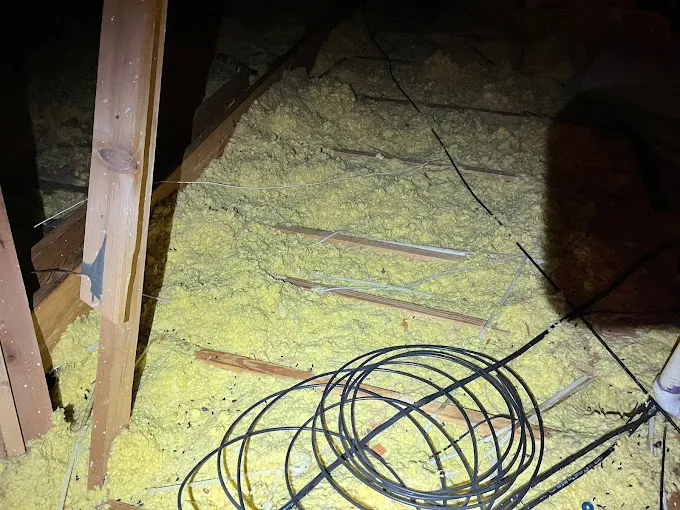
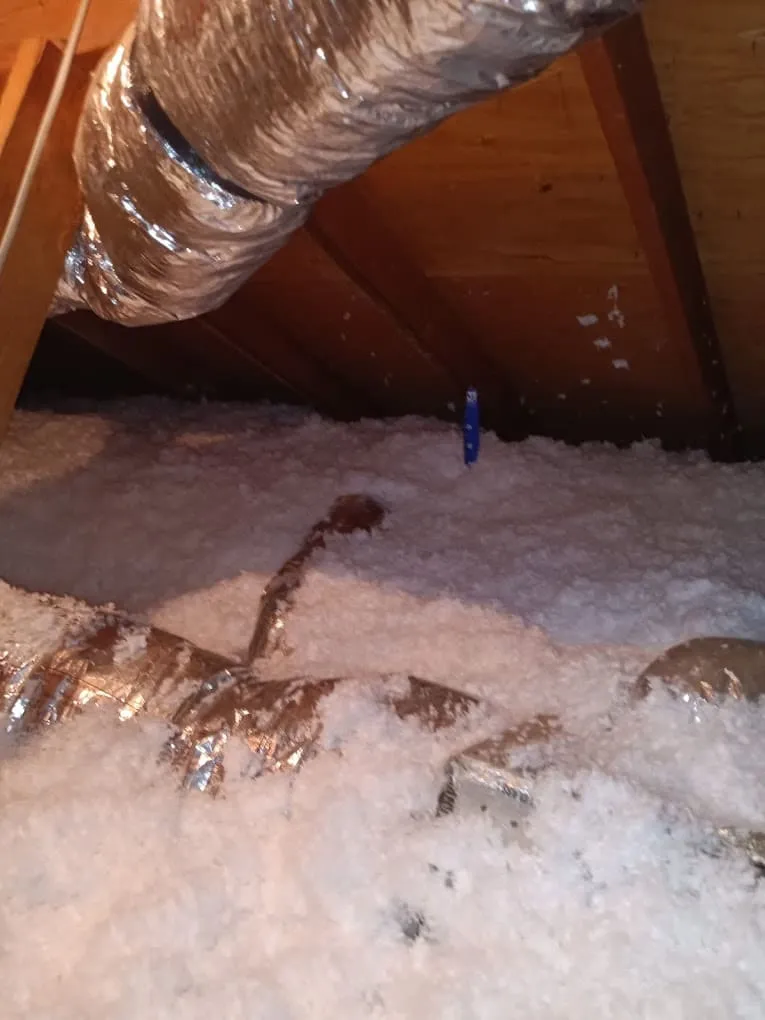
Look for areas where insulation looks thinner, pulled back, or missing entirely, especially near eaves, corners, and around ducts or wiring. Even small gaps can create outsized heat loss.
2) Air leaks around penetrations
Check around attic access points, plumbing vents, electrical wiring runs, and recessed lights. Air leaks can “bypass” insulation, so heat escapes even if insulation is present.
3) Signs of moisture or damage
Moisture, dark staining, or a musty smell are red flags. Insulation that has been exposed to moisture may lose effectiveness and can contribute to indoor air quality issues.
Main Things Customers Should Understand
Attic insulation fails heat efficiency for a few common reasons. In practice, the “symptoms” show up as HVAC discomfort, longer run times, and rooms that never match the thermostat setting. The root cause is usually either insulation not being where it should be, insulation not staying in place, or air moving where it should not.
Professional observation: When insulation is present but heat loss is still high, air leakage is often the reason. Sealing the air pathways and restoring the insulation layer together usually produces the most noticeable comfort improvement.
Insulation compression and settling
Over time, some insulation types can settle, especially in areas with airflow. If you notice the insulation is uneven, compressed, or pulled away from obstructions, the R-value you assumed you had is likely lower than what your home needs.
Gaps around attic access and “hidden bypasses”
Attic access points and stair covers are frequent weak spots because they are not part of the continuous insulation plane. If the access cover is uninsulated or the perimeter is drafty, warm air can escape in winter and cool air can escape in summer.
Ventilation issues that affect insulation performance
Attic ventilation helps manage heat and moisture. If ventilation is blocked or inadequate, it can increase temperature swings and moisture risk, which can shorten the effective life of insulation and contribute to comfort problems. If you are also dealing with exhaust fan issues, whole-house ventilation can be part of the fix.
Indoor air quality impacts
If attic issues are paired with stale odors, humidity swings, or dust migration, the “comfort problem” may include indoor air quality. If you are noticing symptoms like persistent humidity or air that feels stuffy, consider pairing insulation work with an indoor air quality evaluation. You can start by reviewing indoor air quality services to understand what else could be going on.
Decision tip: If your attic looks insulated but your comfort is still inconsistent, ask about air sealing and ventilation coordination. Insulation and ventilation are connected pieces of the same heat-control system.
Insulation vs. ventilation: how to decide what needs attention
Use this table to narrow down what to inspect first. It is not a replacement for a site evaluation, but it helps you ask the right questions.
| What you notice at home | Likely attic insulation issue | Likely ventilation issue |
|---|---|---|
| Uneven temperatures with drafts near ceiling lines | Missing coverage or air bypasses around penetrations | Secondary concern unless airflow patterns point to blockage |
| Insulation looks uneven, compressed, or pulled back | Settling or improper installation in specific zones | Check soffit/ridge pathways if insulation is blocking vents |
| Moisture signs or musty odors in the attic | Potential insulation degradation from moisture exposure | Possible inadequate ventilation or blocked flow |
| Heat discomfort that improves after HVAC adjustments but returns | Insulation gaps that re-create the heat-loss pathway | Ventilation imbalance can keep the attic boundary unstable |
Why This Matters in Plano
Homes in Plano often experience sharp seasonal swings, with winter cold snaps that make heat loss show up fast. If your attic insulation is worn, uneven, or bypassed by air leaks, the furnace has to run longer to maintain comfort. That can also increase wear on heating components over time. Addressing attic heat efficiency can make your heating system more comfortable to use and can reduce the “battle” between your thermostat and the temperature inside your rooms.
Many homeowners also underestimate attic access insulation. If your attic has an uninsulated hatch or gaps around the cover, it can act like a direct heat leak. If you are planning to improve the insulation boundary, it can be helpful to consider solutions like attic access tents to support safe, effective work in the attic.
| Comfort symptom | Attic-related checks | HVAC-related checks |
|---|---|---|
| Furnace runs often | Insulation depth and air sealing at penetrations | Furnace performance and airflow issues |
| Rooms overheat or stay cool | Coverage gaps near eaves and corners | Duct balancing and system airflow assessment |
| Humidity feels off | Moisture signs and ventilation balance | Indoor air quality and humidity control review |
Get a clear plan for better attic heat efficiency
If you suspect heat loss from your attic, the fastest way to avoid guesswork is a focused home energy assessment that ties insulation, air sealing, and ventilation together.
Contact Efficient Home Solutions PlanoCommon Mistakes to Avoid
Homeowners often address attic heat efficiency in ways that do not fully solve the problem. Here are a few common mistakes that can leave you with the same discomfort, just with a different bill.
- Adding insulation without checking air leaks. Air can bypass insulation, so heat still escapes even when the attic looks “full.”
- Ignoring attic ventilation coordination. Blocking or mismanaging ventilation can create moisture and performance issues.
- Overlooking attic access points. A drafty hatch or poorly sealed stair cover can undermine the entire insulation plane.
- Assuming the furnace is the only issue. If the attic boundary leaks heat, no furnace adjustment fully fixes comfort.
- Trying to “spot fix” without mapping the coverage. Insulation effectiveness depends on continuous coverage, not isolated patches.
Customer Checklist
Use this checklist before you schedule a visit. It helps you communicate what you are seeing and helps the technician focus the inspection.
- Note which rooms feel coolest or warmest and whether the issue changes during the day.
- Check the attic access cover and perimeter for drafts or uncovered areas.
- Look for uneven insulation depth, gaps near corners, or insulation pulled back from obstructions.
- Inspect around attic penetrations (wiring, plumbing vents, duct runs) for visible gaps.
- Watch for moisture signs like staining, damp insulation, or musty odors.
- Confirm whether ventilation pathways appear blocked by insulation.
- List any recent HVAC changes or repairs, including heating and furnace repairs you have had nearby.
Representative Scenario
A homeowner in Plano noticed that the thermostat stayed close to setpoint, but bedrooms upstairs felt noticeably colder. They replaced filters and adjusted vents, yet the furnace still ran longer. During attic inspection, the technician found insulation that was uneven near the eaves and gaps around penetrations where wiring and ductwork entered the attic. The attic access area also had poor sealing. After correcting air bypasses and restoring the insulation layer with proper ventilation coordination, the furnace cycling became more predictable and temperature differences softened.
Frequently Asked Questions
How can I tell if my attic insulation is failing heat efficiency?
Common signs include uneven temperatures between floors, rooms that stay cool even when the thermostat is set normally, and HVAC run times that feel longer than they used to. In the attic, look for uneven insulation depth, visible gaps around penetrations, insulation that appears compressed or pulled back, and drafts near the attic access. If you also see moisture, staining, or odors, that is another strong indicator that the insulation layer is not performing as intended.
Can attic insulation problems affect both heating and cooling?
Yes. Attic heat loss in winter and heat gain in summer can both be driven by insulation and air leakage at the attic boundary. When insulation is bypassed by drafts, your HVAC system has to overcome temperature transfer that insulation should normally slow down. That can lead to higher energy use and uneven comfort year-round. If you are dealing with discomfort during multiple seasons, it is worth evaluating insulation performance and attic ventilation together.
Should I repair insulation by myself or hire an insulation contractor?
Some homeowners can safely do basic checks such as inspecting insulation coverage and noting drafts at accessible points. However, restoring insulation performance often requires careful air sealing, correct coverage depth, and coordination with ventilation. If you find gaps around ductwork, wiring, plumbing vents, or attic penetrations, it is usually smarter to involve a professional insulation contractor. That approach helps ensure the work improves heat efficiency without creating ventilation or moisture problems.
What role does attic ventilation play in heat efficiency?
Attic ventilation helps manage heat and moisture so the attic environment stays within a healthier range. Even if insulation is installed, poor ventilation can contribute to moisture issues and bigger temperature swings, which can reduce overall comfort. When ventilation pathways are blocked by insulation, the attic can become less stable. The best results typically come from pairing insulation coverage with ventilation system planning, such as attic ventilation improvements when needed.
What if my main problem is the furnace or heating system?
A furnace issue can certainly cause heating discomfort, but attic heat-loss problems can mimic furnace problems. If the attic boundary is leaking heat, the furnace will run longer trying to maintain comfort. That is why it helps to evaluate both sides: check insulation coverage and air leaks, and also make sure the heating system is operating properly. If you suspect heating performance is involved, you can also review furnace repair support as part of a complete troubleshooting approach.
Ready to improve attic heat efficiency in Plano?
If you want a practical, homeowner-friendly plan, Efficient Home Solutions Plano can help you evaluate insulation performance, air sealing opportunities, and ventilation needs so your system does not work harder than it should.
Call (972) 235-2600
Efficient Home Solutions Plano
Efficient Home Solutions Plano provides HVAC services for homeowners and businesses across Plano, TX and surrounding areas. If your home comfort feels inconsistent or your HVAC system seems to run longer than expected, we help you look beyond the thermostat and address the building factors that influence heating and cooling efficiency, including attic insulation and ventilation.
Service links: Attic insulation, attic ventilation, and home energy audits.