Signs Your Furnace Needs Repair Before Breakdown
If your home in Plano, TX has started feeling drafty or your furnace is acting “almost fine,” you might be closer to a breakdown than you think. This guide helps you spot early warning signs, understand what to check first, and decide when to schedule furnace repair before the cold weather hits harder.
Last week, you set the thermostat and waited. The furnace ran for a short time, then shut off early. The house didn’t warm up the way it usually does, and the next day it took longer to catch up. You’re not hearing a total failure, but something feels off.
Furnaces often give subtle signals before they stop working completely. This guide will help you recognize the patterns behind common furnace issues, what to check safely at home, and how to prepare for a professional inspection in Plano, TX before a minor problem turns into a no-heat situation.
- Quick answer
- What to check first
- Main things customers should understand
- Why this matters in Plano, TX
- Common mistakes to avoid
- Customer checklist
- Frequently asked questions
Quick Answer
If your furnace is short-cycling, running longer than usual, producing unusual odors, or failing to reach the set temperature, it’s a good time to schedule a furnace repair inspection instead of waiting for a complete breakdown. Start by checking the thermostat settings, confirming the furnace has power, and replacing the filter if it’s dirty. If the problem continues, a technician can diagnose airflow, ignition, gas control, and safety controls. Efficient Home Solutions Plano can help you identify what’s causing the symptoms and prevent the next failure from happening during colder hours.
What to Check First
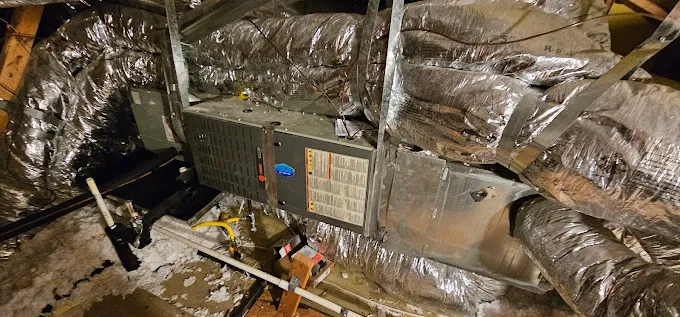
Before you call for furnace service, focus on safe, simple checks. These steps can rule out the most common “no-heat” causes and help you describe the symptoms clearly to the HVAC technician.

- Thermostat settings: Confirm you’re on Heat, the set temperature is higher than the current room temperature, and the thermostat is calling for heat.
- Power and switch: Make sure the furnace switch is on and the circuit breaker hasn’t tripped.
- Air filter: If the filter looks clogged or is more than a few months old, replace it. Restricted airflow can cause overheating and shutdowns.
- Vents and returns: Check that supply registers and return grilles are not blocked by furniture, rugs, or storage.
- Ignition behavior: Note whether the furnace tries to start, how long it runs, and whether it shuts off quickly (short-cycling).
Main Things Customers Should Understand
Early repair needs usually show up in patterns. In Plano, TX, many homes are comfortable most of the year, so homeowners notice changes quickly when heating season starts. Here are the most common furnace warning signs that point to a repair opportunity.
Short-cycling (starts, runs briefly, stops)
Short-cycling often relates to airflow issues, overheating, or safety control responses. It can also mean the furnace is struggling to ignite or maintain stable operation.
Uneven warmth room to room
If some rooms feel cool while others get hot, the issue is frequently tied to airflow balance, duct leaks, or filter restriction. It can also be a sign that the furnace is not delivering the expected output.
Strange sounds during startup
Rattling, banging, or loud booming can indicate failing components or improper combustion. Even if it “still works,” these sounds are worth diagnosing.
Professional observation: A furnace that “almost works” can still be tripping safety controls. When safety shuts the furnace down repeatedly, continuing to run it without addressing the cause increases wear and can make the next problem harder to resolve.
Warning signs that usually mean repair is needed
Use these as a practical checklist when you notice changes. Any one of them can justify a furnace repair appointment, especially if the pattern repeats over several cycles.
- Long run times: The furnace runs much longer than it used to to reach the set temperature.
- Frequent relights: The unit tries to ignite multiple times before it stays on.
- Burning smell or strong odors: A new odor can be related to dust on components, but it can also indicate combustion or airflow problems that should be checked.
- Yellow flame or soot: Visible soot buildup or off-color flames can point to combustion issues that require professional diagnosis.
- Thermostat responsiveness issues: Delayed heating after the thermostat calls for heat, or inconsistent temperature swings.
A firsthand-style industry observation
In real homes, one of the most common “before breakdown” patterns is airflow-related. A homeowner changes the filter less often than they think, a few seasons pass, and the furnace starts compensating. You might notice the system runs longer, produces hotter supply air, or stops sooner than expected. Eventually, the furnace reaches a limit and safety controls step in. The good news is that many of these issues are diagnosable and repairable once the root cause is identified.
Why This Matters in Plano, TX
Plano winters can be mild compared to some parts of the country, but when cold snaps arrive, heating demand spikes quickly. In a home with older ductwork, seasonal attic insulation gaps, or airflow restrictions, a furnace that is already struggling can fail at the worst time. That’s why catching early symptoms matters in Plano, TX and nearby areas.
Also, many homeowners in the region focus on comfort and overlook the “whole system” side of heating performance. If your furnace is working harder to heat the house, it may be related to insulation and ventilation conditions. If you’re also noticing draftiness or temperature swings, Efficient Home Solutions Plano can help you explore related improvements like attic insulation or attic ventilation that support more stable indoor temperatures.
Have furnace symptoms you can’t ignore?
If your furnace is short-cycling, running longer than usual, or failing to keep up with the thermostat in Plano, TX, schedule a diagnostic with Efficient Home Solutions Plano.
Talk to Efficient Home Solutions PlanoCommon Mistakes to Avoid
When heating season gets busy, homeowners sometimes try to “wait it out” or make changes that don’t address the real cause. These are common missteps that can lead to a breakdown when you need heat most.
Common mistake: Repeatedly resetting the thermostat or power switch without figuring out why the furnace is shutting down. If the furnace is tripping a safety control, repeated resets can delay proper diagnosis.
- Ignoring repeated shutdowns: If the furnace stops after starting and keeps doing it, that’s a repair signal, not a “quirk.”
- Overlooking airflow: A clogged filter or blocked return can cause overheating and safety-related behavior.
- Assuming the thermostat is the only problem: Thermostats can fail, but heating symptoms often trace back to ignition, combustion, or airflow.
- Skipping an inspection because it eventually starts: If it starts later, that may still mean an underlying issue that will return.
Customer Checklist
Use this checklist to prepare for a furnace repair appointment. Having clear notes helps the technician focus the diagnosis and reduces back-and-forth.
- Symptom timeline: When did the issue start, and is it getting worse?
- Cycle pattern: Does it short-cycle, delay ignition, or run continuously?
- Temperature behavior: Does it reach the set temperature or fall short?
- Odors or sounds: Any new smells, rattling, banging, or unusual noises?
- Filter status: What type of filter, and when was it last changed?
- Airflow check: Are registers and returns clear and unobstructed?
- Any recent changes: Recent maintenance, filter changes, or thermostat adjustments.
Representative scenario (what it often looks like)
A Plano homeowner notices the furnace starts, warms the house for a short period, then shuts down. The next cycle takes longer, and the temperature swings become more noticeable. The filter is due for replacement, and the return vent is partially blocked by stored items. After the filter is replaced and airflow is cleared, the furnace still shows inconsistent heating behavior. A technician then checks ignition and safety control performance and verifies airflow across the system. The repair addresses the root cause so the furnace can heat steadily instead of cycling.
Frequently Asked Questions
Why does my furnace turn on and then shut off quickly?
Quick shut-offs are commonly linked to airflow restriction, overheating conditions, or safety controls that protect the furnace when something is not operating within normal parameters. In many homes, a dirty filter, blocked return, or limited airflow can trigger this behavior. If the pattern repeats, it’s best to schedule a furnace repair inspection so the technician can check ignition, airflow performance, and safety responses rather than just resetting the system.
What’s the first thing I should do before calling for furnace service?
Start with safe checks: confirm the thermostat is set to Heat and calling for warmth, verify the furnace switch and breaker are on, and check the air filter. If the filter is clogged, replace it and make sure return and supply vents are not blocked. If the furnace still behaves inconsistently, the next step is professional diagnosis. Efficient Home Solutions Plano can help identify what’s causing the symptoms in your Plano, TX home.
Is a strange smell always a sign of a serious problem?
Some furnace odors can come from dust on burners or components, especially after long periods of inactivity. But if the smell is new, strong, or accompanied by unusual sounds, ignition delays, or repeated shutdowns, it should be inspected. Odors can also relate to combustion or airflow issues that affect safe operation. If you’re unsure, scheduling a repair evaluation is the safest path.
Can ductwork or insulation issues make my furnace seem like it needs repair?
Yes. If your home has insulation gaps or ventilation problems, the furnace may run longer to maintain comfort. If ductwork has leaks or airflow imbalances, the furnace can deliver uneven heat even when it’s operating. That’s why homeowners in Plano sometimes notice heating problems alongside comfort issues like draftiness or temperature swings. If you suspect airflow or insulation is part of the problem, you may also consider solutions like energy audit services to look at the bigger picture.
How do I know whether I need repair or HVAC replacement?
Repair versus replacement depends on what’s failing and how the furnace performs after the underlying issue is addressed. A technician can diagnose the root cause and help you understand what it would take to restore reliable heating. If multiple components are failing or the system cannot maintain comfort effectively, replacement may be discussed. The key is not to decide based on symptoms alone, especially when early warning signs suggest repairable causes.
Get your furnace checked before the next failure
If you’ve noticed early signs in Plano, TX, scheduling furnace repair now can help restore steady heat and reduce the chance of a breakdown during colder hours. Efficient Home Solutions Plano is ready to diagnose what’s going on and recommend practical next steps.
Call (972) 235-2600
About Efficient Home Solutions Plano
Efficient Home Solutions Plano provides HVAC services for homeowners in Plano, TX and surrounding areas. From furnace service and heating repair to related comfort and efficiency solutions, the focus is on diagnosing the real cause of performance problems and helping customers maintain reliable indoor comfort.
For additional comfort support, you can also explore indoor air quality services that help homeowners manage humidity and air cleanliness alongside heating and cooling.