Signs Your Attic Insulation Fails and Needs Help
If your Plano, TX home feels stuffy in the summer or oddly cool near the bedrooms, the attic is often the hidden culprit. This guide walks you through the signs of failing attic insulation, what to check first, and how insulation and ventilation work together to protect comfort and indoor air quality.
Last August, a homeowner in Plano noticed their central air ran longer and still struggled to hold temperature. The thermostat looked fine, but rooms near the ceiling felt warmer than the rest of the house, especially in the late afternoon.
After checking airflow and air filter condition, the next likely step was the attic. In Texas summers, heat loads can overwhelm HVAC performance when insulation levels drop, air leaks increase, or ventilation is off balance. This article helps you recognize the common failure signs and decide when it is time to call a professional insulation and ventilation contractor.
- Quick answer
- What to check first
- Main things customers should understand
- Why this matters in Plano, TX
- Common mistakes to avoid
- Customer checklist
- Frequently asked questions
Quick Answer
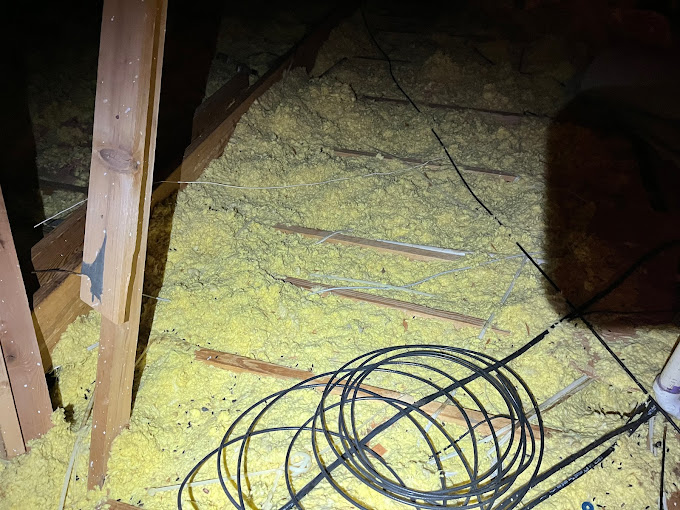
Failing attic insulation usually shows up as uneven temperatures, rising energy use, visible gaps or thin coverage, or signs of moisture such as damp insulation or musty odors. Start with a basic attic look for missing coverage around penetrations (vents, wires, plumbing) and check whether the attic access area is sealed. If you find compression, gaps, or moisture, it is best to have a professional inspect insulation depth and attic ventilation balance. Efficient Home Solutions Plano can evaluate your attic insulation and ventilation needs and help you choose insulation installation options that fit your home.
What to Check First
If you want a fast, homeowner-friendly starting point, focus on the attic areas most likely to break down insulation performance. A “perfect” insulation layer can still underperform if air leaks bypass it or if ventilation is unbalanced.

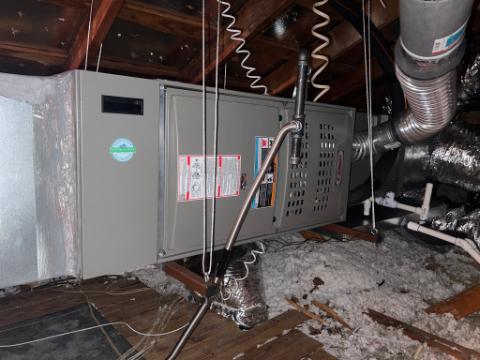
- Look for thin spots or bare areas, especially near attic access, duct openings, and where wires pass through.
- Check for insulation that looks compressed, uneven, or pulled away from edges and corners.
- Inspect for moisture signs: dark staining, damp insulation, rust on metal, or a musty smell when you enter the attic.
- Verify attic ventilation is not blocked by insulation or debris near soffit vents, ridge vents, or gable vents.
- Feel for air movement around penetrations and around the attic stair or hatch area (drafts are a strong clue).
Professional observation: In many Plano, TX homes, the insulation problem is not only “not enough insulation.” It is often that insulation is missing at critical leak paths, or attic ventilation is fighting the HVAC system instead of supporting it.
Main Things Customers Should Understand
Attic insulation is only one part of a system that includes air sealing and attic ventilation. When any piece fails, heat and humidity can move into the home, forcing your HVAC equipment to work harder. That is why symptoms often show up as higher cooling costs, temperature swings, and sometimes indoor air quality issues.
1) Insulation depth drops or coverage is uneven
If insulation has settled or was never installed evenly, you can end up with hot spots above living areas. This is common around attic penetrations, along edges, and near duct runs.
2) Air leaks bypass the insulation
Even thick insulation loses effectiveness if air leaks carry conditioned air out and attic heat in. Drafts near the attic hatch or around wiring and plumbing penetrations are typical clues.
3) Ventilation and insulation fight each other
When ventilation pathways are blocked, attic temperatures can rise and moisture can build. Insulation installation should respect airflow paths, not choke them off.
From what we see on local inspections, the most “fixable” insulation failures are often the ones that combine missing coverage with poor sealing at the attic access area. That is why attic access sealing and ventilation planning can make a noticeable difference in comfort, especially in homes where rooms near the ceiling feel harder to cool.
Insulation type matters, but fit matters more
Different insulation approaches can work well depending on your attic layout, existing insulation condition, and where air sealing is needed. Efficient Home Solutions Plano offers attic insulation services and can also help coordinate related steps such as attic ventilation and attic access solutions.
For example, if your attic has difficult-to-seal access areas, you may need an attic access tent approach in addition to topping up insulation elsewhere. If your attic ventilation is out of balance, improving attic ventilation can reduce heat buildup and support more consistent HVAC performance.
How this shows up in HVAC comfort
When attic insulation fails, the HVAC system often compensates by running longer. Over time, that can increase wear on air conditioning components and make indoor temperatures feel less stable. If you are already dealing with cooling or heating performance problems, insulation and airflow changes should be part of the troubleshooting path, not an afterthought.
If you suspect AC performance is being affected, you can review AC repair options alongside an attic inspection. For heating-season concerns, see furnace repair guidance as you prepare for winter comfort needs in the Plano area.
| What you notice | Most likely attic issue | What to prioritize |
|---|---|---|
| Rooms near the ceiling feel hotter or colder than the rest of the home | Thin coverage, compressed insulation, or missing insulation around penetrations | Insulation installation review for depth and coverage, plus targeted air sealing |
| Drafts around attic access or along wires/plumbing penetrations | Air leaks bypassing insulation | Attic access sealing and sealing at penetration points |
| Moisture signs, musty smell, or dark staining in the attic | Insulation and ventilation imbalance, or moisture entry | Attic ventilation assessment and insulation placement that preserves airflow |
| HVAC runs longer than expected during hot or humid periods | Heat gain through the attic plus airflow losses | Whole-home energy assessment to connect attic findings to comfort outcomes |
Why This Matters in Plano, TX
Plano summers can bring long stretches of high heat and humidity, and that combination stresses attic performance. If insulation is failing, the attic becomes a heat reservoir that loads your central air conditioning service workload. The result is often uneven cooling, higher runtime, and discomfort that feels “mysterious” because the thermostat may not tell the full story.
One local insight we rely on: many homes in the Plano area were built with different insulation approaches over the years, and it is common to find that additions or repairs did not always match the original coverage pattern. When insulation gets topped off in one area but not balanced elsewhere, you can create uneven thermal performance. A professional inspection helps confirm whether you need insulation replacement, improved insulation installation technique, attic ventilation corrections, or a combination.
Get a practical energy-focused attic evaluation
If you are trying to decide whether the problem is insulation, ventilation, or HVAC airflow, a home energy assessment can clarify the path forward. Efficient Home Solutions Plano can help you connect attic conditions to comfort results.
Request an energy audit from Efficient Home Solutions PlanoCommon Mistakes to Avoid
Homeowners often make well-intended choices that do not solve the underlying problem. The attic is a system, so a partial fix can leave comfort issues in place.
Common mistake: Adding insulation without addressing air leaks around the attic access and penetrations. If warm or humid air bypasses the insulation, the attic can still overheat and your HVAC can still run longer.
Common mistake: Blocking soffit or ridge vent airflow while “filling in” the attic. Insulation installed in a way that obstructs ventilation pathways can trap heat and moisture, creating new problems instead of fixing the old ones.
Common mistake: Assuming insulation is fine because it “looks fluffy.” Settling, compression, and gaps can reduce performance even when the attic surface seems covered. A measurement and coverage check is more reliable than a visual estimate.
Customer Checklist
Use this checklist to prepare for a professional attic insulation and ventilation inspection in Plano, TX. Bringing clear observations helps the process move faster and keeps the focus on what actually affects your comfort.
- Write down when you notice comfort problems (time of day, rooms affected, and whether cooling or heating is worse).
- Note any visible attic issues you see: gaps, thin coverage, compressed areas, or signs of moisture.
- Check whether the attic access hatch feels drafty and whether it is properly sealed.
- Look for blocked or obstructed ventilation areas (soffit, ridge, gable vents) and confirm insulation is not covering airflow paths.
- Record your HVAC symptom pattern: longer cooling cycles, uneven temperatures, or air quality complaints.
- Bring a short list of any related services you have already tried, such as indoor air quality improvements.
Representative scenario (typical in the Plano area)
A homeowner reports that bedrooms upstairs stay warm even when the thermostat is set normally. They also notice the attic hatch area feels cooler in winter and warmer in summer. During inspection, the team finds uneven insulation coverage around penetrations and gaps near the attic access area, plus ventilation that needs adjustment. The solution typically involves air sealing at the access point, correcting ventilation balance, and improving attic insulation coverage using installation methods matched to the attic layout.
Frequently Asked Questions
How can I tell if my attic insulation is failing without special tools?
You can look for clear performance clues: uneven temperatures between floors, noticeable drafts near the attic access, and areas where insulation looks thin, compressed, or missing. Moisture signs like dark staining, damp insulation, or a musty odor are also strong indicators. While these observations are helpful, a professional inspection is the most reliable way to confirm coverage depth, identify air leak pathways, and evaluate whether attic ventilation is balanced for your home’s design.
Can attic insulation problems affect indoor air quality?
Yes. When insulation fails along with air sealing or ventilation balance, humidity and air movement can change inside the home. That can contribute to comfort complaints and can also impact how HVAC systems manage air. If you also notice persistent odors, unusual humidity levels, or air that feels “stale,” consider pairing an attic inspection with indoor air quality services. Efficient Home Solutions Plano can help you review insulation and ventilation alongside air quality considerations.
Should I improve insulation or ventilation first?
In most cases, both need evaluation because insulation performance depends on airflow patterns in the attic. If ventilation is blocked, adding insulation alone may not deliver the comfort improvement you expect. A practical approach is to inspect insulation coverage and air sealing first, then verify ventilation pathways are clear and properly matched to the attic layout. The goal is a system that reduces heat gain while allowing the attic to manage moisture.
What is an attic access tent, and when is it used?
An attic access tent is used to help address heat loss or air leakage at the attic stair or hatch area. This area is a common weak point because it can be drafty and because insulation may not fully cover it the way it covers the rest of the attic. If your comfort issues point to the hatch area, an attic access tent solution can be part of the overall insulation installation plan. Efficient Home Solutions Plano can help determine whether this approach fits your specific setup.
Is insulation replacement ever necessary?
Sometimes. If insulation is compressed, missing in key areas, or has moisture-related damage, replacement or targeted removal and reinstallation may be needed to restore performance. In other situations, the insulation may still be serviceable, but gaps and air leaks require improved sealing and better coverage around penetrations. The right decision depends on what the attic inspection reveals about coverage depth, condition, and ventilation balance.
How does an energy audit help with attic insulation decisions?
A home energy assessment helps connect observed comfort issues to likely causes, including attic heat gain and air leakage. Instead of guessing, you can get a clearer view of what to prioritize, such as insulation installation improvements, attic ventilation corrections, or air sealing at the attic access. If you are also dealing with HVAC performance concerns, an energy audit can help you avoid chasing symptoms without fixing the underlying drivers.
Ready to get your attic performance back on track?
If you are seeing uneven temperatures, rising energy use, or attic moisture hints in Plano, TX, Efficient Home Solutions Plano can help you pinpoint what is failing and recommend next steps. Start with an inspection focused on insulation, ventilation, and air sealing connections.
Talk to Efficient Home Solutions Plano about attic insulation
Efficient Home Solutions Plano
Efficient Home Solutions Plano provides HVAC services and home comfort solutions for homeowners in Plano, TX and surrounding areas. From attic insulation and attic ventilation to energy audit support and indoor air quality solutions, the goal is to help your home stay comfortable by addressing the systems that drive heat gain, airflow losses, and indoor comfort.
Contact: (972) 235-2600 or visit ehshvac.com.